Learning for Your Team –
The Bitesize Option
What is the Bitesize Learning Option?
Are you looking for new learning and development options for your organization, department or team? Something that’s flexible enough to fit into a busy work schedule? Learning that’s tailored, focused on your issues and challenges at work, not abstract but engaging? Learning options which individuals and teams can frame for themselves, joining and interacting with colleagues, not solo, and set at a work time that suits them?
Bitesize training – typically a series of connected 90-minute sessions – accomplishes all this and more. It’s a distributed approach to learning that offers great flexibility over time and space which, if done with care and planning, can build a learning experience that’s unique to small learner groups.
Why is this an Attractive Option for your Institution?
It's all about focus. You don’t have time for long discussions about “why”. So, you focus on the how: “how can I use this skill or knowledge to improve how I solve a particular work problem?”. The learning outcomes can be applied, as newly acquired or improved skills, immediately after each 90-minute module
How does a Bitesize Programme work?
You start with understanding the work-based needs of your participant teams – leaders, managers, support and specialist staff. Set your aims and objectives. Be flexible around the schedule teams work with – a week, a month or longer. They should focus on current problems, issues or skills gaps and set their learning goals by choosing only those modules that are relevant to their needs: a specific learning pathway. Here are some examples:
1 - The front-office team need to focus on their communication and customer engagement skills, as face-to-face activity recedes, due to a move to increased online activity. They choose this pathway: eight modules over two weeks with listening skills, empathy and trust building and stress management prominent.
2 – The Business Management team needs to improve the ‘change and collaboration’ culture across the institution, post Covid-19, so they consider this pathway: ten modules over two months covering: being a team player, managing conflict, assertive communication and influencing skills.
3 – Operational managers are dealing with increased workloads, uncertainty and complexity, stiffer competition in often new (online) environments. They consider six modules over six weeks with a focus on creativity and problem solving, brainstorming and planning tools, assertiveness and team working.
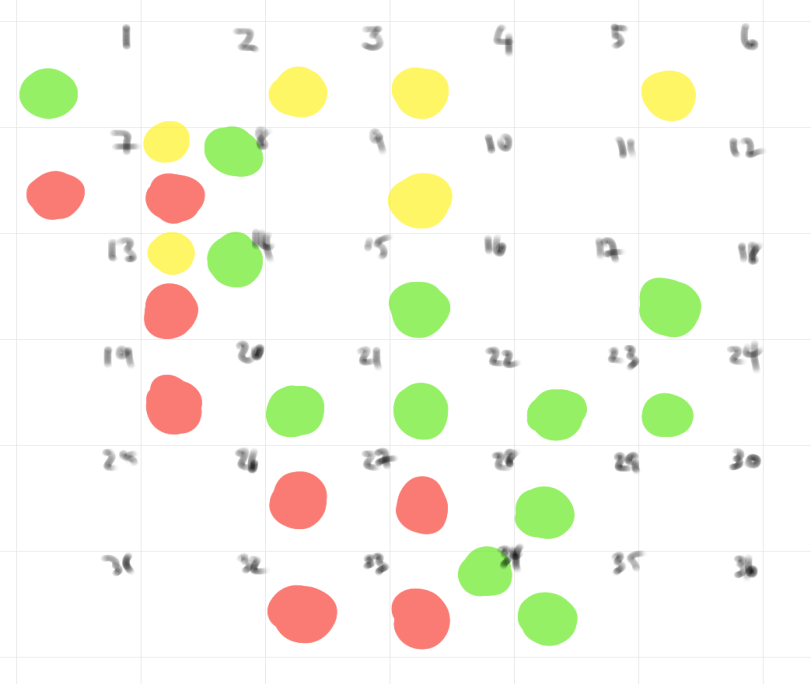
Not every available option may be chosen while others may be chosen by more than one group. Other, later groups, perhaps for induction purposes, will have different choices based on their learning needs and context. The time spread will also vary for each group.
Commission the content, if it’s not already available to you. This can be done from internal or external resources. Decide if the sessions need external facilitation or if they can be facilitated from within each group. Many teachers and academic managers are well suited to this facilitation role and can be assigned learning groups in addition to the ones they attend as part of their own learning path.
Ensure the ‘formula’, shape or structure for each module is clear and constant across the entire programme. You want groups to be able to jump straight in without having to figure out how each session ‘works’.
Ensure the learning perspective is very practical with a mix of theory and skills practice, with
lots of different learning preferences built in.
Each session should focus on well known business situations and scenarios relevant to
(often contributed by) participants to complement pre-developed case studies. Include lots
of relevant role plays, problem solving activities and simulations.
Monitoring and Evaluation Approach
You’ll want individuals to show in real life situations how well they have incorporated the learning into their actual work: “show what you can do as well as what you know”.
You’ll need a layered approach. Quizzes and mini tests can be used straightaway. Afterwards, back at work, direct observation and assessment by the line manager is crucial. You can use prepared simulations too where real situations may not be immediately available.
For a broader demonstration of new competence, teams or individuals can take on Applied Learning Projects or assignments. Make them meaningful, useful and real. For example, through a case study presentation, a customer service group can investigate and demonstrate how a customer complaint process can be improved. Finally, make sure you integrate the evidence of the learning outcomes into whatever performance management system you have in place, including annual appraisals, to capture positive results and changed behaviours.
Click here to get the pdf version
